

Did the Himba tribe really bathe only 3 times in their lifetime? Discover the real truth behind the viral myth, the Himba hygiene system, smoke baths, otjize paste, and life in Namibia’s desert culture.
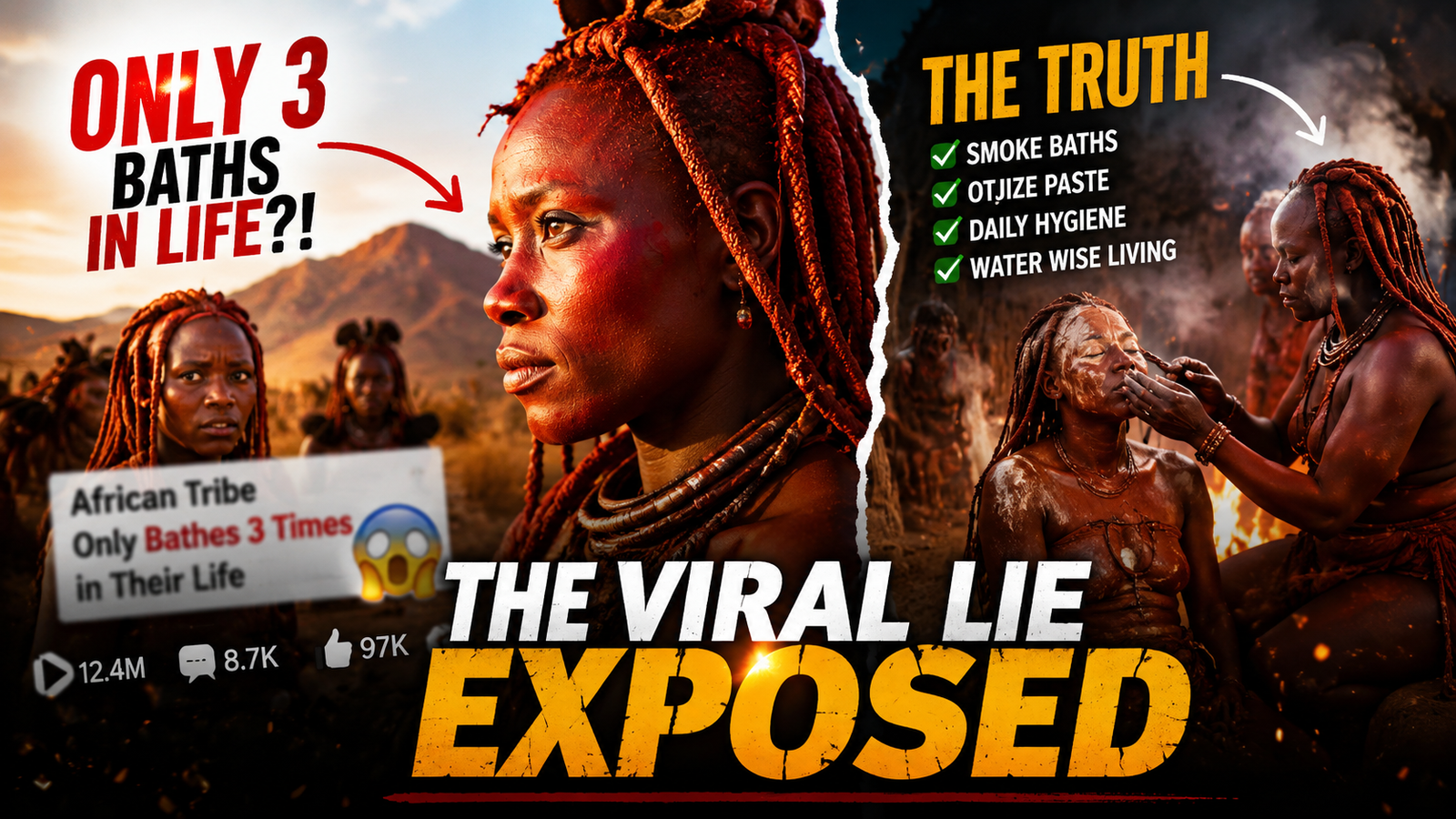
The Truth About the Himba Tribe “3 Baths in a Lifetime” Myth
For years, viral videos and social media posts have spread a shocking claim about the Himba tribe of Namibia. According to these videos, the Himba people only bathe three times during their entire lifetime — at birth, marriage, and death.
The story has gained millions of views online because it sounds unbelievable. Many viewers reacted with shock, confusion, and even criticism toward the tribe.
But the truth is very different.
The Himba people are not “unhygienic,” and the claim that they only bathe three times in life is completely false. In reality, the Himba follow a sophisticated hygiene system perfectly adapted to the harsh desert environment where they live.
This article explains the real story behind the viral myth and explores how the Himba people maintain cleanliness, skincare, and cultural identity without wasting precious water.
Who Are the Himba People?
The Himba are an indigenous semi-nomadic community living mainly in northern Namibia, especially in the Kunene region near the Angola border.
They are well known for:
- Their traditional red-colored skin and hair
- Unique braided hairstyles
- Deep cultural traditions
- Cattle-based lifestyle
- Adaptation to desert environments
The Himba have preserved many ancient customs and continue to live closely connected to nature and their ancestral traditions.
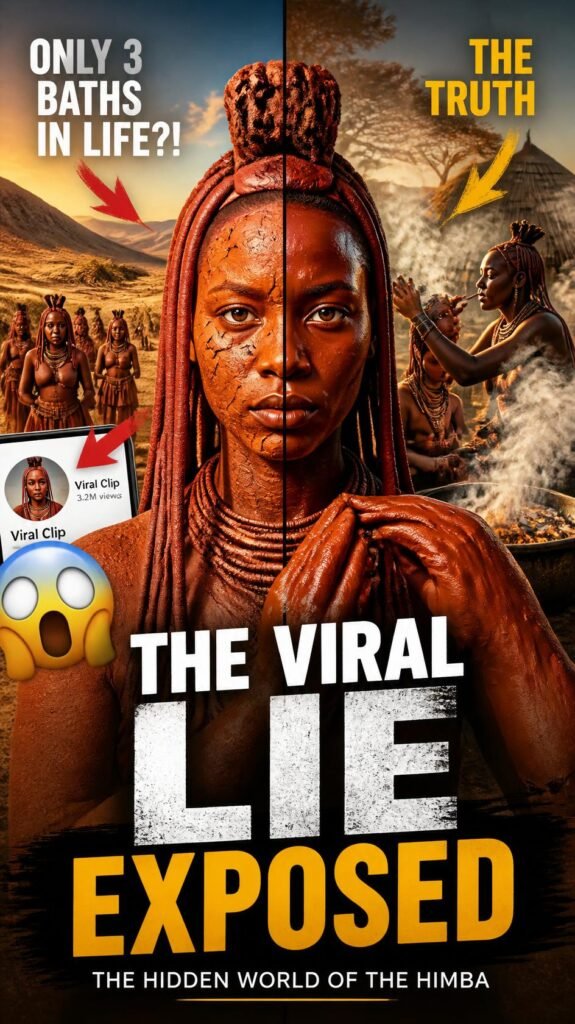
Where Did the “3 Baths in a Lifetime” Myth Come From?
The myth started when early travelers and documentary filmmakers observed that the Himba do not use large amounts of water for bathing like modern urban societies do.
Because Namibia’s northern desert regions are extremely dry, water is limited and must be conserved carefully.
Outsiders noticed:
- The Himba rarely use full-body water showers
- Ritual washing exists during important life events
- Red ochre paste covers the skin
- Smoke cleansing rituals are common
Over time, these observations were exaggerated into the false claim that the Himba only bathe three times during their lives.
Social media later amplified the story because sensational content attracts more clicks and views.
How the Himba Actually Stay Clean
The Himba people maintain daily hygiene routines. However, their methods are different from the water-heavy systems used in modern cities.
Their hygiene system is designed specifically for survival in a hot and dry climate.
Smoke Baths: The Himba Cleansing Ritual
One of the most important parts of Himba hygiene is the smoke bath.
Every morning and evening, many Himba women sit near smoldering herbs and hot coals inside small enclosed spaces.
The smoke rises around the body and helps:
- Clean the skin
- Reduce body odor
- Remove impurities
- Provide mild antibacterial protection
This process also has social and spiritual importance within the community.
Smoke bathing uses almost no water, making it highly practical in desert conditions.
Otjize Paste: More Than Beauty
The Himba are famous for covering their skin and hair with a red-colored paste called otjize.
Otjize is made from:
- Butterfat
- Red ochre pigment
- Natural herbs and resins
Many outsiders mistakenly think the red appearance means the Himba are dirty. In reality, otjize functions like a protective skincare product.
The paste helps:
- Protect skin from intense sunlight
- Prevent dehydration
- Repel insects
- Remove dead skin
- Keep skin moisturized in dry weather
The red color also represents beauty, earth, life, and cultural identity in Himba tradition.
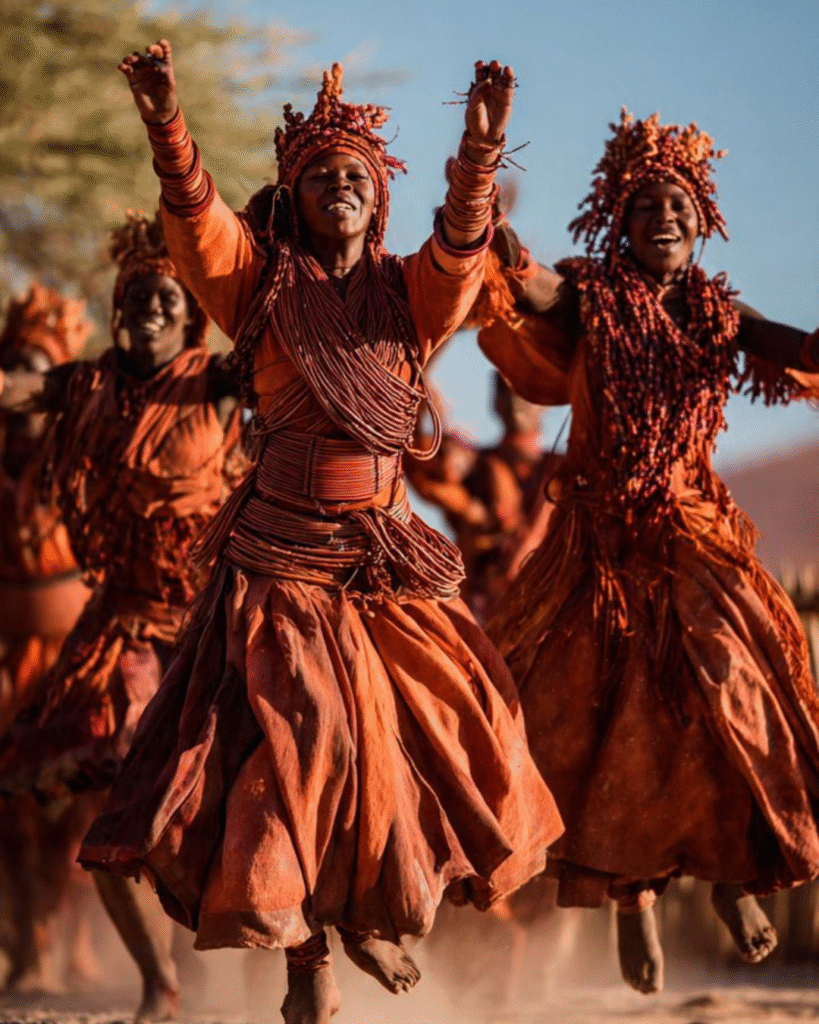
Why Water Conservation Matters
The Himba live in one of the driest environments in southern Africa.
Water is extremely valuable and must be prioritized for:
- Drinking
- Cooking
- Animals
- Essential cleaning
Using large amounts of water for daily showers would be impractical and wasteful in such conditions.
Their low-water hygiene system is actually a smart environmental adaptation developed over generations.
In many ways, the Himba lifestyle demonstrates sustainable living practices that modern societies could learn from.
Do the Himba Have Poor Hygiene?
No.
There is no evidence showing that Himba communities suffer unusually high rates of skin disease because of their traditional hygiene practices.
In fact, their routines are specifically designed to protect the skin against:
- Harsh desert heat
- Dry air
- Dust
- Insects
Their methods may look unfamiliar to outsiders, but unfamiliar does not mean unhealthy.
The Same Myth About the Maasai Tribe
Similar false claims are often spread about the Maasai people of Kenya and Tanzania.
Like the Himba, the Maasai also use natural oils, animal fats, herbs, and limited water for hygiene.
They clean regularly and adapt their routines based on environmental conditions.
No verified evidence exists showing any African tribe only bathes three times in a lifetime.

Why Viral Myths Spread So Fast
The internet rewards shocking content.
A title like:
“Tribe That Never Bathes”
generates far more attention than:
“Traditional Water-Efficient Hygiene System.”
Three main reasons keep the myth alive:
1. Clickbait Culture
Sensational stories attract more views and engagement.
2. Visual Misunderstanding
Otjize paste looks unusual to people unfamiliar with Himba culture.
3. Cultural Bias
Many people assume modern showers are the only valid form of hygiene.
The Real Lesson Behind the Himba Story
The Himba people are not an example of “primitive living.”
They are an example of human adaptation, environmental intelligence, and cultural resilience.
Their hygiene system evolved over centuries to suit one of the toughest climates on Earth.
Instead of mocking cultural differences, understanding them can teach us valuable lessons about sustainability, resource conservation, and human creativity.
Final Thoughts
The claim that the Himba tribe only bathes three times in life is a viral myth — not reality.
The Himba maintain daily hygiene using smoke cleansing, natural skincare products, and low-water practices adapted perfectly to desert life.
The real story is not about being unclean.
It is about survival, culture, and innovation.
Before believing every viral claim online, it is always important to look deeper and understand the truth behind the headlines.